




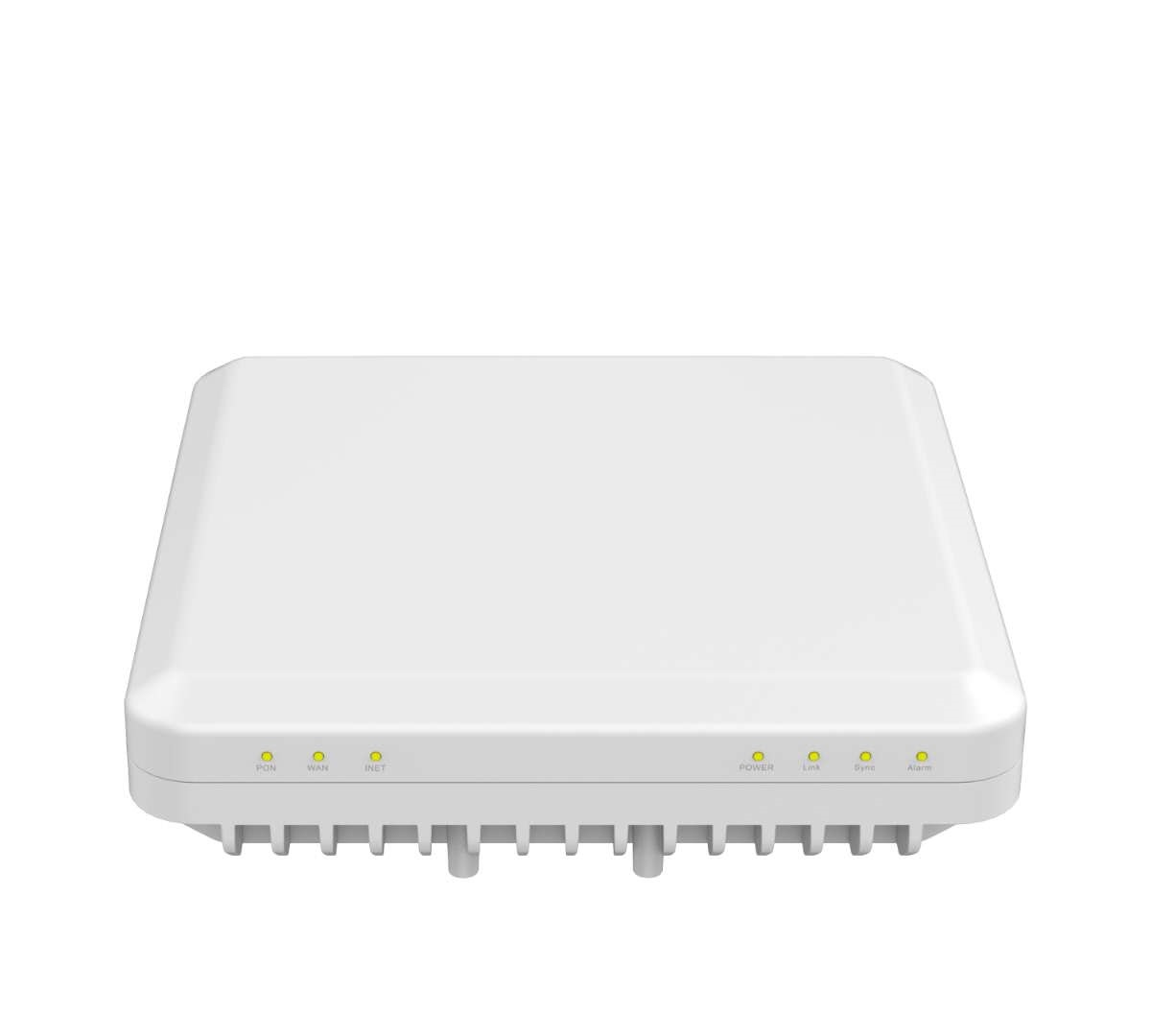
5G small base station


1. Definition, characteristics and product classification of small base station
small cell is a base station equipment that is much smaller than traditional macro stations in terms of product form, transmission power, coverage and other aspects. At the same time, it can also be regarded as a low-power wireless access point that can use licensed frequency or non-licensed frequency access technology by integrating WIFI. The power is generally 50mw-5w. The coverage range is 10-200 meters.
The characteristics of small base station are miniaturization, low transmitting power, good controllability, intelligence and flexible networking.
1) In terms of miniaturization, the general mass is between 2-10kg;
2) The transmitting power is generally between 50mW and 5W;
3) In terms of networking mode, it supports the backtransmission of various technologies including DSL/ fiber /WLAN and cellular technology;
4) Intelligent, also has automatic neighborhood identification, self-configuration and other SON functions.
At present, there are two main classification methods for small base stations in the market:
1) According to power (coverage is positively correlated with power), it is mainly divided into micro base stations, skin base stations and femtobase stations, and different power sizes correspond to different coverage ranges;
2) According to the device form, it can be divided into integrated base station and distributed base station. The main difference here is that generally, the integrated base station consists of three parts: baseband processing unit (BBU) + radio frequency processing unit (RRU) + antenna feed system, while the distributed base station usually refers to the small RRU, which needs to be connected to BBU.
2. What problem does the small base station solve? - Solve the problems of Acer Station
Acer station problem.
1) The signal of Acer station has weak coverage or blind spot area, no signal or poor quality, which cannot meet the normal demand. Acer station is generally located on the roof and the tower and other high places, but often affected by buildings, trees, the coverage effect is not uniform, and with the improvement of signal frequency, mobile 4G and even the future 5G signal penetration is weaker, so that the signal through the building attenuation, resulting in a large number of weak coverage areas, blind spots, these places either no signal, or poor signal quality, Unable to meet the normal needs of users; According to the complaint investigation of users to a domestic operator, no signal and poor signal quality account for up to 80% of the complaints, indicating that solving weak coverage, coverage blind spots, and ensuring signal quality in built-up areas are the primary and main problems for operators.
2) The capacity of the hotspot area is insufficient. Traffic demand itself is unbalanced, which is caused by the unbalanced distribution of human activities. In hot spots, such as courses, shopping malls, airports, hotels and other crowded areas where the traffic demand is much higher than ordinary areas, even if there is no signal attenuation problem, it is difficult for the macro stations covering this area to provide enough traffic to meet the demand.
3) However, it is difficult to solve these problems by intensively deploying macro stations. The main reasons are as follows: the site selection of Acer station needs to consider the physical location of the base station, the computer room requirements of the base station and the sky requirements of the base station, the difficulty of site selection, the high cost of property coordination and network construction, the limited installation location of traditional equipment, the difficulty of installation and transmission, the shortage of sky resources and other problems, resulting in the limited and precious site resources, especially in crowded areas, it is difficult to obtain the site.
Small base stations solve the Acer station problem. The small base station is small in size and flexible in deployment. It is not limited to the site of Acer station, but can be flexibly deployed in crowded and built-up places. It can be targeted to supplement the weak coverage area of ACER station signal and cover blind spots to ensure signal quality. In hot spot areas, small base stations can implement frequency multiplexing in a smaller range due to low power, improve capacity, and help the Acer station shunt.